
- Chinese
- French
- German
- Portuguese
- Spanish
- Russian
- Japanese
- Korean
- Arabic
- Irish
- Greek
- Turkish
- Italian
- Danish
- Romanian
- Indonesian
- Czech
- Afrikaans
- Swedish
- Polish
- Basque
- Catalan
- Esperanto
- Hindi
- Lao
- Albanian
- Amharic
- Armenian
- Azerbaijani
- Belarusian
- Bengali
- Bosnian
- Bulgarian
- Cebuano
- Chichewa
- Corsican
- Croatian
- Dutch
- Estonian
- Filipino
- Finnish
- Frisian
- Galician
- Georgian
- Gujarati
- Haitian
- Hausa
- Hawaiian
- Hebrew
- Hmong
- Hungarian
- Icelandic
- Igbo
- Javanese
- Kannada
- Kazakh
- Khmer
- Kurdish
- Kyrgyz
- Latin
- Latvian
- Lithuanian
- Luxembou..
- Macedonian
- Malagasy
- Malay
- Malayalam
- Maltese
- Maori
- Marathi
- Mongolian
- Burmese
- Nepali
- Norwegian
- Pashto
- Persian
- Punjabi
- Serbian
- Sesotho
- Sinhala
- Slovak
- Slovenian
- Somali
- Samoan
- Scots Gaelic
- Shona
- Sindhi
- Sundanese
- Swahili
- Tajik
- Tamil
- Telugu
- Thai
- Ukrainian
- Urdu
- Uzbek
- Vietnamese
- Welsh
- Xhosa
- Yiddish
- Yoruba
- Zulu
- Kinyarwanda
- Tatar
- Oriya
- Turkmen
- Uyghur

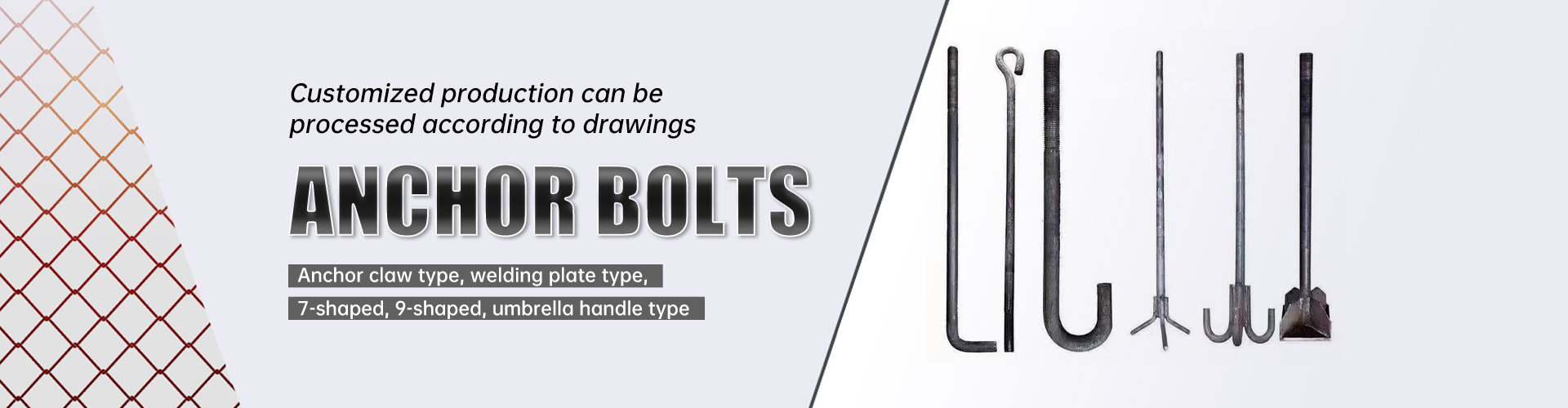
China Moat Low Anchor Bolt Manufacturer
2026-10-28
- Understanding the Moat Low Anchor Bolt: Definition and Core Functionality
- Why Choose Moat Low Anchor Bolts for Industrial Applications?
- Technical Specifications and Material Standards
- Installation Guidelines for Moat Low Anchor Bolts
- Application Scenarios for Moat Low Anchor Bolts
- Selection Guide: How to Choose the Right Manufacturer
- Frequently Asked Questions (FAQ)
- Conclusion: Securing Your Project with Reliable Anchoring Solutions
A moat low anchor bolt is a specialized structural fastener engineered to provide secure anchorage in shallow-depth concrete foundations or restricted vertical spaces. Unlike standard anchors that require deep embedment for pull-out resistance, moat low anchor bolts utilize optimized head geometry and high-tensile steel compositions to maximize holding power within limited concrete thicknesses. These components are critical for securing heavy machinery, solar mounting structures, and steel columns where foundation depth is constrained by geological conditions or design specifications. In 2026, engineering projects increasingly prioritize these low-profile solutions to reduce excavation costs while maintaining rigorous safety standards defined by international building codes.
Understanding the Moat Low Anchor Bolt: Definition and Core Functionality
The term “moat” in this context often refers to the specific installation environment or the geometric design of the anchor’s bearing surface, which creates a protective “barrier” against lateral movement and uplift forces. A moat low anchor bolt is distinct from traditional J-bolts or L-bolts due to its reduced shank length and enhanced head design. This configuration allows it to perform effectively in “low” concrete pours, such as slab-on-grade applications or thin overlay structures.
These anchors serve as the primary interface between superstructures and substructures. Their core functionality relies on two mechanical principles:
- Mechanical Interlock: The expanded head or forged end of the bolt locks into the concrete matrix, resisting pull-out forces through bearing pressure against the surrounding concrete.
- Friction and Bond: High-quality surface treatments and ribbed designs enhance the frictional grip between the steel and the cured concrete, preventing slippage under dynamic loads.
For manufacturers like Handan Zitai Fastener Manufacturing Co., Ltd., producing these components requires precise control over cold forging processes. The company’s advanced production equipment ensures that each bolt meets strict dimensional tolerances, which is vital for ensuring that the anchor fits correctly into pre-drilled templates or casting molds without compromising the structural integrity of the concrete pour.
Key Characteristics of Low-Profile Anchors
When evaluating a moat low anchor bolt, engineers look for specific attributes that differentiate high-performance units from generic hardware. The material composition typically involves carbon steel grades such as Q235, Q345, or higher alloy steels depending on the load requirements. The manufacturing process must preserve the grain structure of the steel to prevent brittle fracture under tension.
Furthermore, the “low” aspect implies a minimized protrusion above the concrete surface after installation. This is particularly important in industrial flooring where forklift traffic or automated guided vehicles (AGVs) operate. A protruding anchor can pose a safety hazard or damage equipment. Therefore, the design often includes a flush-mount capability or a low-profile nut system that sits below the final floor finish level.
Why Choose Moat Low Anchor Bolts for Industrial Applications?
The selection of anchoring systems is a critical decision in civil and industrial engineering. Moat low anchor bolts offer distinct advantages in scenarios where traditional deep-foundations are impractical or cost-prohibitive. Understanding these benefits helps project managers and procurement specialists make informed decisions.
1. Optimization for Shallow Concrete Depths
In many retrofit projects or urban construction sites, the existing concrete slab may not have sufficient depth to accommodate long anchor bolts. Drilling deep holes can compromise the slab’s integrity or hit underlying utilities. Moat low anchor bolts are designed to distribute loads over a wider area near the surface, allowing for secure attachment in concrete depths as shallow as 100mm to 150mm, depending on the load rating.
2. Enhanced Resistance to Dynamic Loads
Industrial environments often involve vibrating machinery, wind loads on solar arrays, or seismic activity. Standard anchors may loosen over time due to cyclic loading. High-quality moat low anchor bolts, such as those produced with the rigorous quality management systems at Handan Zitai Fastener, are engineered to maintain clamping force under vibration. The precise threading and head formation reduce the risk of self-loosening, ensuring long-term stability.
3. Cost-Efficiency in Material and Labor
Using shorter anchors reduces the amount of steel required per unit. Additionally, the installation process is often faster. For cast-in-place applications, the shorter length simplifies the positioning within the rebar cage, reducing labor time. For post-installed applications, drilling shallower holes consumes less energy and time, accelerating project timelines. This efficiency aligns with the operational philosophy of Handan Zitai, which focuses on delivering high-grade products that enhance market competitiveness for their clients through reliability and cost-effectiveness.
Technical Specifications and Material Standards
To ensure compatibility with global engineering standards, moat low anchor bolts must adhere to specific material and dimensional criteria. While custom specifications are common for bespoke projects, general industry standards provide a baseline for quality assessment.
| Parameter | Standard Specification | Notes |
|---|---|---|
| Material Grade | Carbon Steel (Q235, Q345), Alloy Steel (40Cr, 35CrMo) | Higher grades offer greater tensile strength for heavy loads. |
| Diameter Range | M12 – M36 (Custom sizes available) | Larger diameters provide higher shear and tensile capacity. |
| Length | Short/Low Profile (50mm – 150mm embedment) | Optimized for shallow concrete slabs. |
| Surface Treatment | Hot-Dip Galvanizing, Zinc Plating, Dacromet | Corrosion resistance is critical for outdoor or humid environments. |
| Tensile Strength | ≥ 400 MPa (Q235), ≥ 600 MPa (Q345) | Must meet project-specific load calculations. |
| Thread Standard | Metric (ISO), UNC/UNF (ANSI) | Compatibility with nuts and washers is essential. |
At Handan Zitai Fastener Manufacturing Co., Ltd., the production of these specifications is supported by rich production experience. The company’s ability to manage product quality strictly ensures that each batch of anchor bolts meets these technical benchmarks. This consistency is vital for B2B buyers who require certainty in their supply chain, particularly for large-scale infrastructure projects where failure is not an option.
Corrosion Protection Strategies
Since moat low anchor bolts are often used in external environments or areas exposed to moisture, corrosion protection is a key component of their design. Hot-dip galvanizing provides a thick zinc coating that offers sacrificial protection, extending the service life of the anchor. For more aggressive environments, such as coastal areas or chemical plants, specialized coatings like Dacromet or epoxy layers may be applied. The choice of coating should align with the environmental classification of the project site.
Installation Guidelines for Moat Low Anchor Bolts
Proper installation is as critical as the quality of the bolt itself. Even the highest-grade anchor will fail if installed incorrectly. The installation method varies depending on whether the anchor is cast-in-place or post-installed.
Cast-in-Place Installation Process
This method involves placing the anchor bolt into the concrete formwork before the concrete is poured. It is the most common method for new construction.
- Step 1: Positioning. Use a template or jig to hold the anchor bolts in the exact required positions. Ensure the verticality of the bolt is maintained. Handan Zitai’s precision manufacturing ensures that the threads are protected during this phase, often with plastic caps.
- Step 2: Securing. Weld the anchor plate or tie the bolt to the rebar cage to prevent movement during the concrete pour. Care must be taken not to weld directly onto the threaded portion of the bolt, as heat can weaken the steel.
- Step 3: Pouring Concrete. Pour the concrete carefully around the anchors. Vibrate the concrete to eliminate air pockets, ensuring full contact between the bolt head and the concrete matrix.
- Step 4: Curing and Cleaning. Allow the concrete to cure fully. Remove any protective caps and clean the threads of any concrete splatter before attaching the superstructure.
Post-Installed Installation Process
For retrofitting or when cast-in placement was missed, post-installed anchors are used. This typically involves drilling into hardened concrete.
- Step 1: Drilling. Drill a hole of the specified diameter and depth. The depth must match the embedment length of the moat low anchor bolt. Use a vacuum to remove all dust from the hole.
- Step 2: Insertion. Insert the anchor bolt into the hole. For chemical anchors, inject the resin first. For mechanical expansion anchors, ensure the expansion mechanism is engaged correctly.
- Step 3: Torquing. Tighten the nut to the recommended torque value. This step is crucial for developing the necessary clamping force. Over-torquing can strip threads or crack the concrete; under-torquing leads to loose connections.
Common errors include drilling holes that are too wide, failing to clean the hole properly, or ignoring the concrete’s cure time before loading. Adhering to manufacturer guidelines mitigates these risks. Handan Zitai provides technical support to ensure customers understand these nuances, reflecting their commitment to customer satisfaction and product performance.
Application Scenarios for Moat Low Anchor Bolts
The versatility of moat low anchor bolts makes them suitable for a wide range of industries. Their ability to provide strong anchorage in limited spaces opens up design possibilities that were previously challenging.
Photovoltaic (PV) Solar Mounting Systems
In solar farm installations, foundations must be cost-effective and quick to install. Moat low anchor bolts are ideal for securing PV mounting structures to concrete ballast blocks or thin ground slabs. The low profile minimizes shading and allows for efficient layout designs. Handan Zitai’s expertise in producing photovoltaic accessories ensures that their anchor bolts are compatible with standard PV mounting rails and clamps, providing a seamless integration for solar developers.
Steel Structure Embedded Parts
For industrial warehouses and commercial buildings, steel columns are often anchored to concrete footings. In cases where the footing depth is limited by soil conditions or adjacent structures, low anchor bolts provide the necessary tensile and shear resistance. They are embedded in the concrete base plate connection, transferring loads from the steel column to the foundation efficiently.
Power and Utility Infrastructure
Power bolts and anchors are essential for securing transformers, switchgear, and transmission tower bases. These structures experience significant dynamic loads from wind and electromagnetic forces. The robust construction of moat low anchor bolts ensures that these critical infrastructure components remain stable under extreme conditions. Handan Zitai’s production of various power bolts demonstrates their capability to meet the stringent requirements of the energy sector.
HVAC and Mechanical Equipment Mounting
Heavy HVAC units, generators, and pumps are often mounted on rooftop slabs or indoor concrete pads. These slabs may not be designed for deep penetrations. Low anchor bolts allow for secure mounting without compromising the waterproofing or structural integrity of the roof slab. The vibration resistance of these anchors is particularly beneficial for rotating machinery.
Selection Guide: How to Choose the Right Manufacturer
Selecting the right supplier for moat low anchor bolts is a strategic decision that impacts project safety and timeline. In 2026, the market is saturated with suppliers, but few offer the combination of scale, quality control, and technical expertise required for complex industrial projects.
Evaluating Manufacturing Capabilities
Look for manufacturers with advanced production equipment. Cold forging, hot forging, and CNC machining capabilities indicate a supplier’s ability to produce consistent, high-quality parts. Handan Zitai Fastener Manufacturing Co., Ltd. stands out as a large-scale professional distributor and manufacturer equipped with such advanced technology. Their rich production experience allows them to handle both standard orders and custom specifications with ease.
Quality Management Systems
A strict quality management system is non-negotiable. Ask about the supplier’s testing protocols. Do they perform tensile strength tests? Hardness tests? Salt spray tests for corrosion resistance? Handan Zitai’s commitment to strict quality management has enabled its products to win unanimous praise from customers. This track record of reliability is a key indicator of trustworthiness.
Product Range and Versatility
A supplier that offers a broad range of related products can simplify your supply chain. If you are sourcing anchor bolts, you may also need hoops, photovoltaic accessories, or other steel structure embedded parts. Handan Zitai’s diverse product line allows for consolidated procurement, reducing logistical complexity and potential compatibility issues between different components.
Responsiveness and Technical Support
B2B transactions require more than just product delivery; they require partnership. A reliable manufacturer provides technical guidance on selection, installation, and troubleshooting. Handan Zitai’s reputation for enhancing its grade and image through customer service suggests a proactive approach to client relationships. This level of support is invaluable when dealing with complex engineering challenges.
Frequently Asked Questions (FAQ)
What is the minimum concrete thickness for moat low anchor bolts?
The minimum concrete thickness depends on the bolt diameter and load requirements. Generally, a minimum embedment depth of 10 times the bolt diameter is recommended. For example, an M12 bolt would require at least 120mm of concrete depth. However, specific engineering calculations should always be performed to verify suitability for the intended load.
Can moat low anchor bolts be used in seismic zones?
Yes, but they must be specifically rated for seismic applications. Seismic anchors require higher ductility and fatigue resistance. It is essential to consult with a structural engineer and select anchors that meet local seismic codes. Handan Zitai can provide custom solutions that meet higher ductility standards if required.
How do I prevent corrosion on anchor bolts in coastal areas?
In coastal environments, salt spray accelerates corrosion. Hot-dip galvanizing is the minimum recommended protection. For higher protection, consider stainless steel anchors (e.g., 316 grade) or specialized polymer coatings. Regular inspection and maintenance are also recommended to ensure long-term performance.
What is the difference between cast-in-place and post-installed anchors?
Cast-in-place anchors are installed before the concrete cures, offering superior load-bearing capacity and reliability. Post-installed anchors are drilled into hardened concrete and are used for retrofits or corrections. Cast-in-place is generally preferred for new construction due to lower cost and higher performance, while post-installed offers flexibility for existing structures.
Does Handan Zitai offer custom specifications for anchor bolts?
Yes, Handan Zitai Fastener Manufacturing Co., Ltd. specializes in producing various custom fasteners. Whether you need specific lengths, diameters, or material grades, their advanced production equipment and experienced team can accommodate bespoke requirements to fit unique project needs.
Conclusion: Securing Your Project with Reliable Anchoring Solutions
In the evolving landscape of industrial construction and renewable energy infrastructure, the demand for efficient, reliable, and versatile anchoring solutions continues to grow. Moat low anchor bolts represent a critical engineering component that balances structural integrity with spatial and economic constraints. Their ability to provide robust holding power in shallow concrete applications makes them indispensable for modern projects ranging from solar farms to heavy industrial facilities.
Choosing the right partner for these components is paramount. Handan Zitai Fastener Manufacturing Co., Ltd. exemplifies the qualities of a trusted supplier: advanced manufacturing capabilities, strict quality control, and a comprehensive product range that includes power bolts, hoops, and photovoltaic accessories. By leveraging their rich production experience and commitment to quality, businesses can ensure that their projects are built on a foundation of reliability and performance.
For project managers, engineers, and procurement specialists, the key takeaway is to prioritize technical compliance and supplier credibility. Do not compromise on the quality of anchoring systems, as they are the silent guardians of structural safety. Evaluate your specific load requirements, environmental conditions, and installation constraints, and select a manufacturer that can provide both the product and the technical support needed for success.
If you are looking for a reliable source for moat low anchor bolts and related fastening solutions, consider partnering with a manufacturer that has proven its market standing through consistent quality and customer satisfaction. Explore our range of high-performance fasteners and structural accessories to find the perfect match for your next project. Contact our technical team today to discuss your specific requirements and receive a customized quote.
Please leave us a message
-

-
-
WeChat



Privacy Policy
Our Commitment to Privacy
Introduction.
Rainbow Inc. recognizes the importance of protecting the privacy of all personal information provided by its customers, including users of www.rainbow-inkjet.com and other Rainbow Inc. affiliated websites (collectively "Rainbow Inc. Sites"). We created the following policy guidelines with a fundamental respect for our customers´ right to privacy and because we value our relationships with our customers. Your visit to the Rainbow Inc. Sites is subject to this Privacy Statement and our Online Terms and Conditions.
Description.
This Privacy Statement describes the types of information we collect and how we may use that information. Our Privacy Statement also describes the measures we take to protect the security of this information as well as how you may reach us to update your contact information.
Data Collection
Personal Data Collected Directly From Visitors.
Rainbow Inc. collects personal information when: you submit questions or comments to us; you request information or materials; you request warranty or post-warranty service and support; you participate in surveys; and by other means that may be specifically provided for on the Rainbow Inc. Sites or in our correspondence with you.
Type of Personal Data.
The type of information collected directly from the user may include your name, your company's name, physical contact information, address, billing and delivery information, e-mail address, the products you use, demographic information such as your age, preferences, and interests and information relating to the sale or installation of your product.
Non-Personal Data Collected Automatically.
We may collect information about your interaction with Rainbow Inc. Sites and services. For example, we may use website analytics tools on our site to retrieve information from your browser, including the site you came from, the search engine(s) and the keywords you used to find our site, and the pages you view within our site. Additionally, we collect certain standard information that your browser sends to every website you visit, such as your IP address, browser type, capabilities and language, your operating system, access times and referring Web site addresses.
Storage and Processing.
Personal data collected on our websites may be stored and processed in the United States in which Rainbow Inc. or its affiliates, joint ventures, or third party servicers maintain facilities.
How We Use the Data
Services and transactions.
We use your personal data to deliver services or execute transactions you request, such as providing information about Rainbow Inc. products and services, processing orders, answering customer service requests, facilitating use of our Web sites, enabling online shopping, and so forth. In order to offer you a more consistent experience in interacting with Rainbow Inc., information collected by our websites may be combined with information we collect by other means.
Product Development.
We use the personal and non-personal data for product development, including for such processes as idea generation, product design and improvements, detail engineering, market research and marketing analysis.
Website Improvement.
We may use the personal and non-personal data to improve our websites (including our security measures) and related products or services, or to make our websites easier to use by eliminating the need for you to repeatedly enter the same information or by customizing our websites to your particular preference or interests.
Marketing Communications.
We may use your personal data to inform you of products or services available from Rainbow Inc. When collecting information that might be used to contact you about our products and services, we often give you the opportunity to opt-out from receiving such communications. Moreover, in our email communications with you we may include an unsubscribe link allowing you to stop delivery of that type of communication. If you elect to unsubscribe, we will remove you from the relevant list within 15 business days.
Commitment to Data Security
Security.
Rainbow Inc. Corporation uses reasonable precautions to keep the personal information disclosed to us secure. To prevent unauthorized access, maintain data accuracy, and ensure the correct use of information, we have put in place appropriate physical, electronic, and managerial procedures to safeguard and secure your personal information. For example, we store sensitive personal data on computer systems with limited access that are located in facilities to which access is limited. When you move around a site to which you have logged in, or from one site to another that uses the same login mechanism, we verify your identity by means of an encrypted cookie placed on your machine. Nonetheless, Rainbow Inc. Corporation does not guarantee the security, accuracy or completeness of any such information or procedures.
Internet.
The transmission of information via the internet is not completely secure. Although we do our best to protect your personal information, we cannot guarantee the security of your personal information transmitted to our Website. Any transmission of personal information is at your own risk. We are not responsible for circumvention of any privacy settings or security measures contained on the Rainbow Inc. Sites.
Contact Us
If you have questions regarding this privacy statement, our handling of your personal data, or your privacy rights under applicable law, please contact us by mail at the address below.
Rainbow Inc.
Attn: Katherine Tan
Add: No.1658 Husong Road, Shanghai, China.
Statement Updates
Revisions.
Rainbow Inc. reserves the right to modify this privacy statement from time to time. If we decide to change our Privacy Statement, we will post the revised Statement here.
Date.
This Privacy Statement was last amended on September 7, 2022.